
ANIMAL WELFARE JOURNAL

Independent observations on animal welfare, behavior, and human–animal relationships.

Documenting field visits, animal behavior, and the evolving relationship between humans and animals — encouraging a more compassionate and informed world.

Latest Field Observation

EcoPark Buenos Aires: When Empty Enclosures Tell a Story

Over the past three days I had the opportunity to participate in an intensive hands-on workshop focused on the application of behavior analysis with animals.

Welcome to Animal Welfare Journal

Animal Welfare Journal is an independent platform dedicated to observing and documenting animal welfare, behavior, and the relationship between humans and animals. Through field visits, reflections, and careful observation, the journal explores how animals live under human care and how society can move toward more compassionate practices. This platform aims to encourage awareness, education, and thoughtful discussion about the wellbeing of animals in different environments.

Our Mission

Observe animal welfare in real environments. Understand animal behavior through careful observation. Encourage compassion and responsible care.

Our Vision

Create awareness about animal welfare. Strengthen the human–animal connection. Promote a more compassionate world.

Animal Welfare Journal

Field Observations

Field observations form the foundation of this journal. Through visits to zoos, wildlife parks, sanctuaries, farms, and other animal facilities, real-life conditions of animals are carefully observed and documented. These visits allow us to better understand how animals live under human care, what challenges they face, and how welfare practices can improve. Each observation aims to provide honest insights that encourage awareness and thoughtful discussion about animal wellbeing.

Animal Behavior & The Animal Mind

Animals express their needs, emotions, and intelligence through behavior. By observing how animals interact with their environment, caregivers, and other animals, we can learn about their cognitive abilities and emotional lives. This section explores patterns of behavior, adaptation, and communication that reveal how animals think and respond to the world around them, especially within human-managed environments.

Human–Animal Relationships

Humans and animals share a long and complex relationship that shapes both societies and ecosystems. This section reflects on how animals live alongside humans in different contexts such as farms, homes, zoos, and natural habitats. It also explores the ethical responsibilities humans have toward animals and how compassionate coexistence can be strengthened through awareness, respect, and responsible care.

Education, Empathy & Compassion

Education plays an important role in building empathy toward animals. When people learn about animal behavior, needs, and welfare, they are more likely to develop compassion and understanding. This section focuses on spreading knowledge that encourages people to see animals not just as creatures around us, but as living beings deserving care, respect, and protection.

"The difference between looking at animals and turuly seeing them changes how we care for them."

ABOUT CAMILA

Camila Zalazar is an independent animal welfare observer, journalist, and animal caretaker whose work combines field visits with daily hands-on animal management. Through observation and documentation, she explores how animals live alongside humans and how education can foster more compassionate coexistence.

Animal Welfare Journal

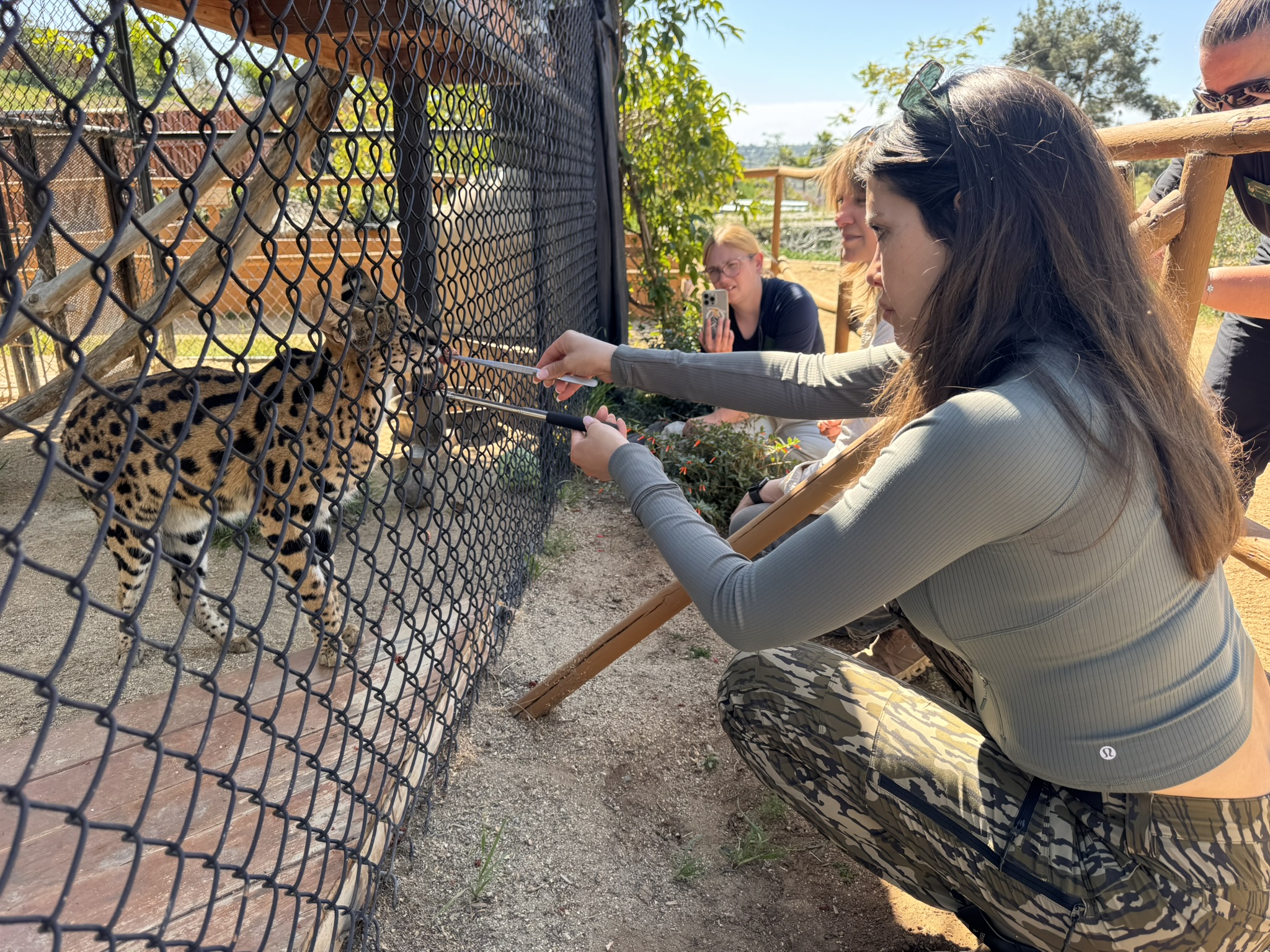
Training a Serval cat at Wildwonders

Three Days of Applied Behavior Analysis in Practice

Over the past three days I had the opportunity to participate in an intensive hands-on workshop focused on the application of behavior analysis with animals. The program was led by behavior specialists including Hilary Hankey and Barbara Heidenreich, and took place at Avian Behavior International and Wild Wonders (California).
Read More »
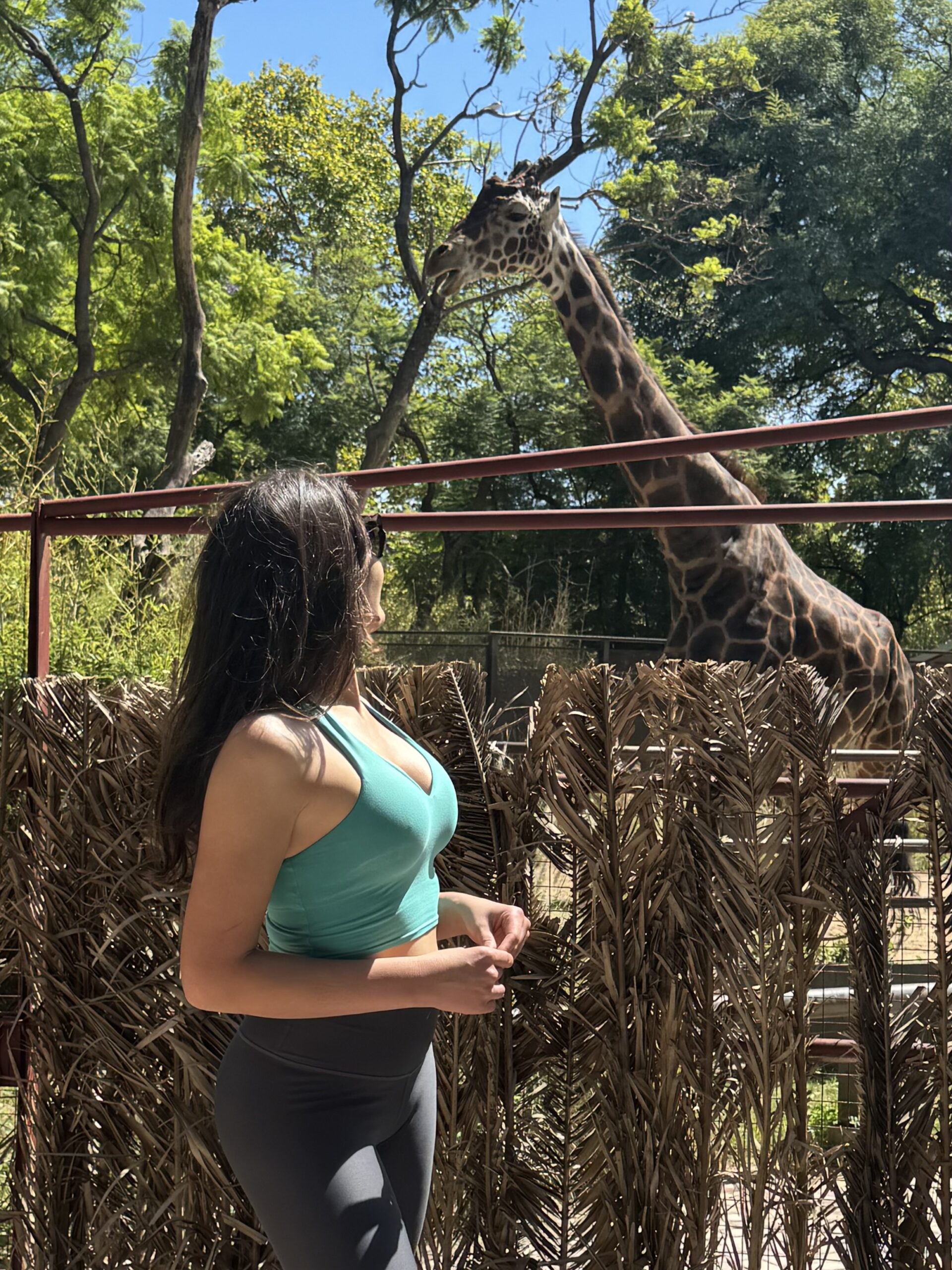
girl observing giraffe

EcoPark Buenos Aires: When Empty Enclosures Tell a Story

Some weeks ago I visited the Eco Park in Buenos Aires — a place that once was called a zoo.
The name changed, reflecting a societal shift in how people wish to relate to animals. Along with that change, many animals were relocated, and numerous enclosures now stand empty. Walking through the park, the absence is noticeable — spaces once occupied are now quiet. In many ways, this feels both hopeful and melancholic. Fewer animals, more space. A step forward. And yet, the animals who remain still depend entirely on human care, attention, and purpose.

Read More »

Facilities Visited