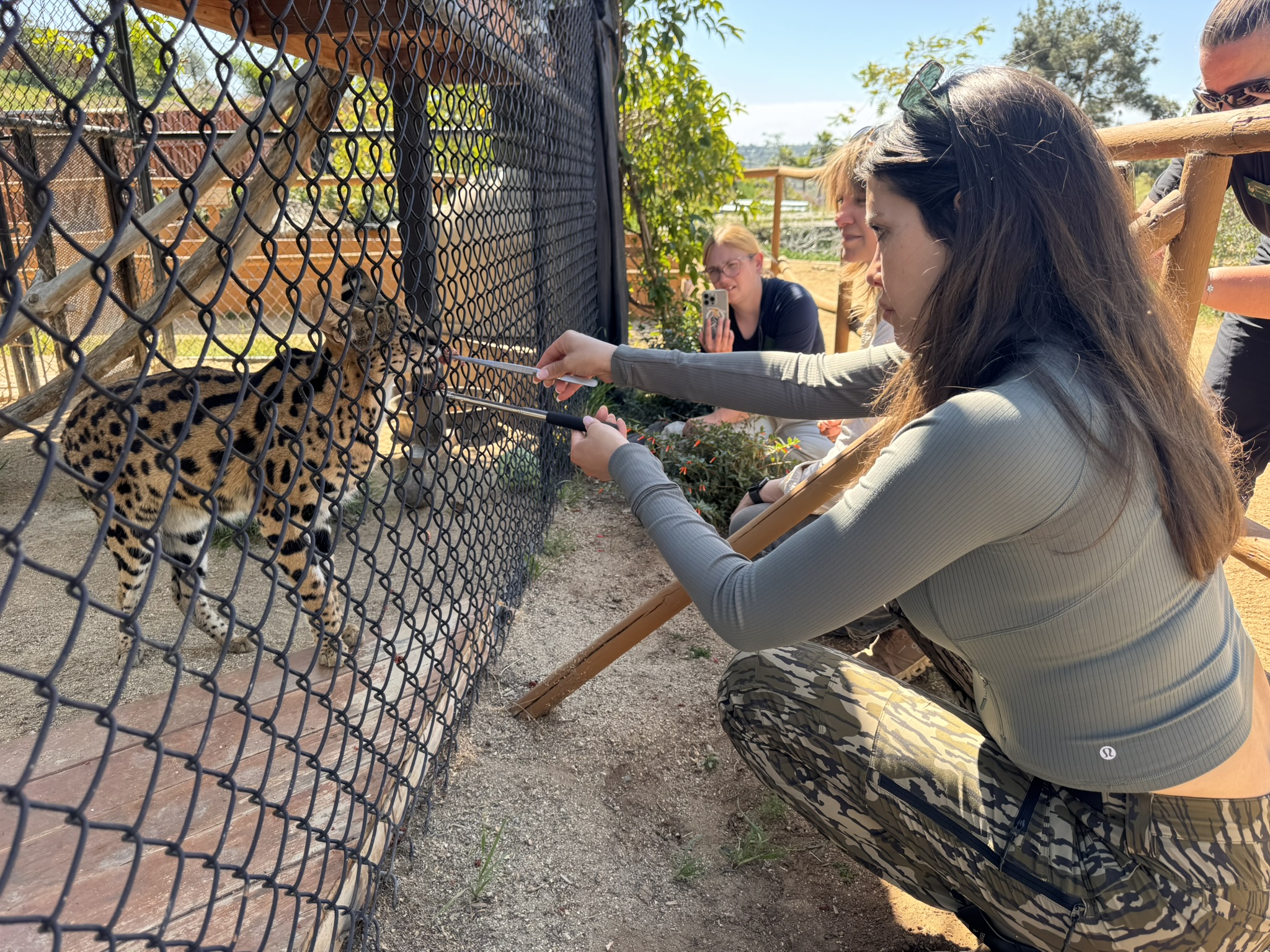
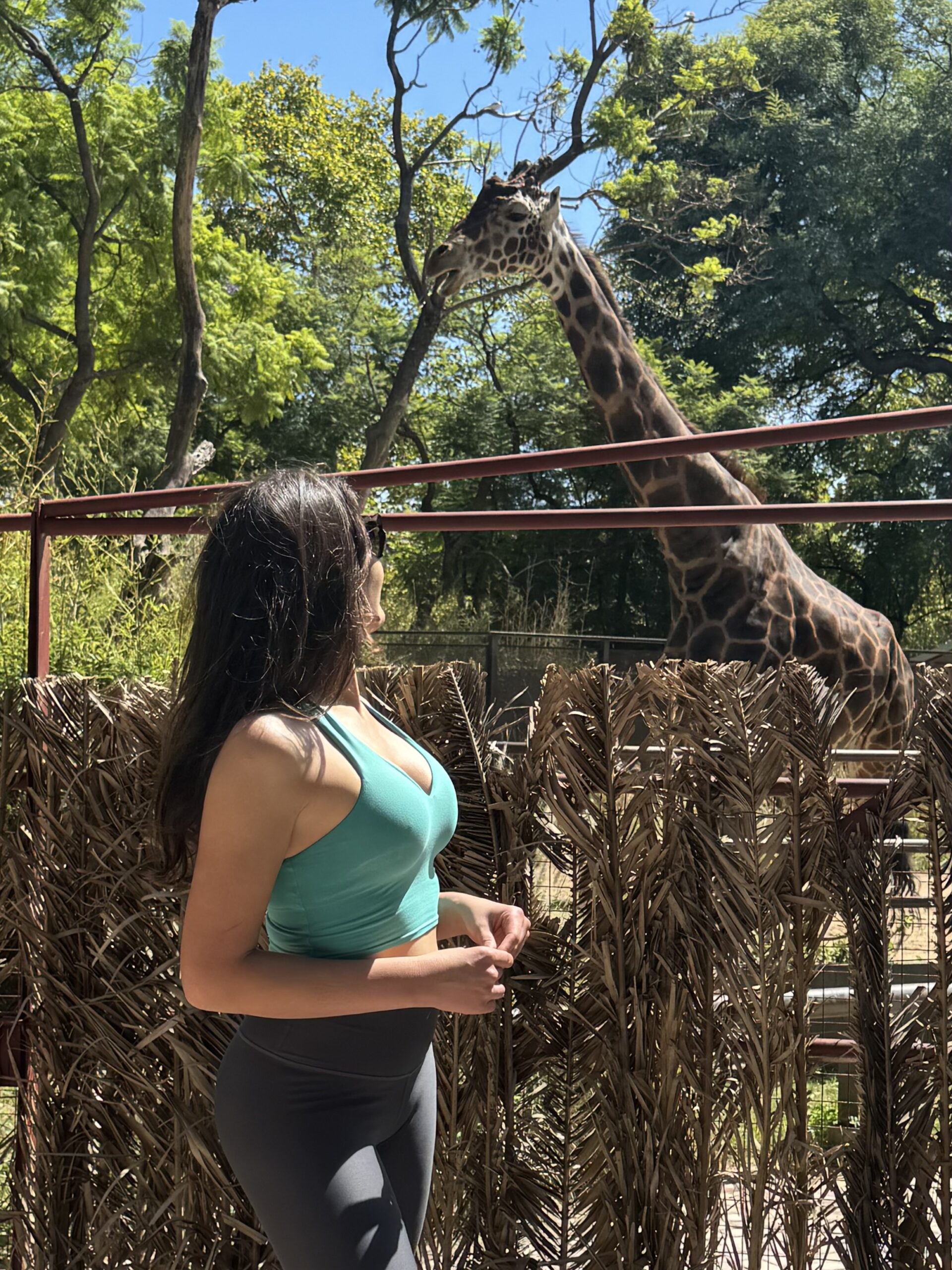
Some weeks ago I visited the Eco Park in Buenos Aires — a place that once was called a zoo.
The name changed, reflecting a societal shift in how people wish to relate to animals. Along with that change, many animals were relocated, and numerous enclosures now stand empty. Walking through the park, the absence is noticeable — spaces once occupied are now quiet. In many ways, this feels both hopeful and melancholic. Fewer animals, more space. A step forward. And yet, the animals who remain still depend entirely on human care, attention, and purpose.
The park itself holds enormous potential.
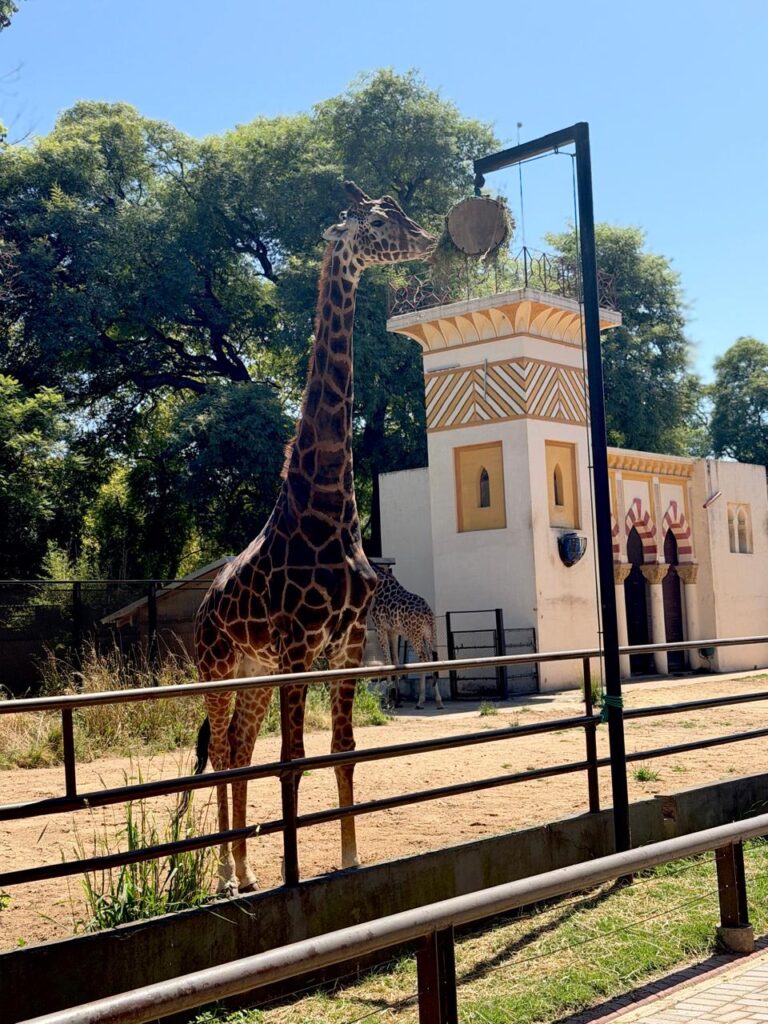
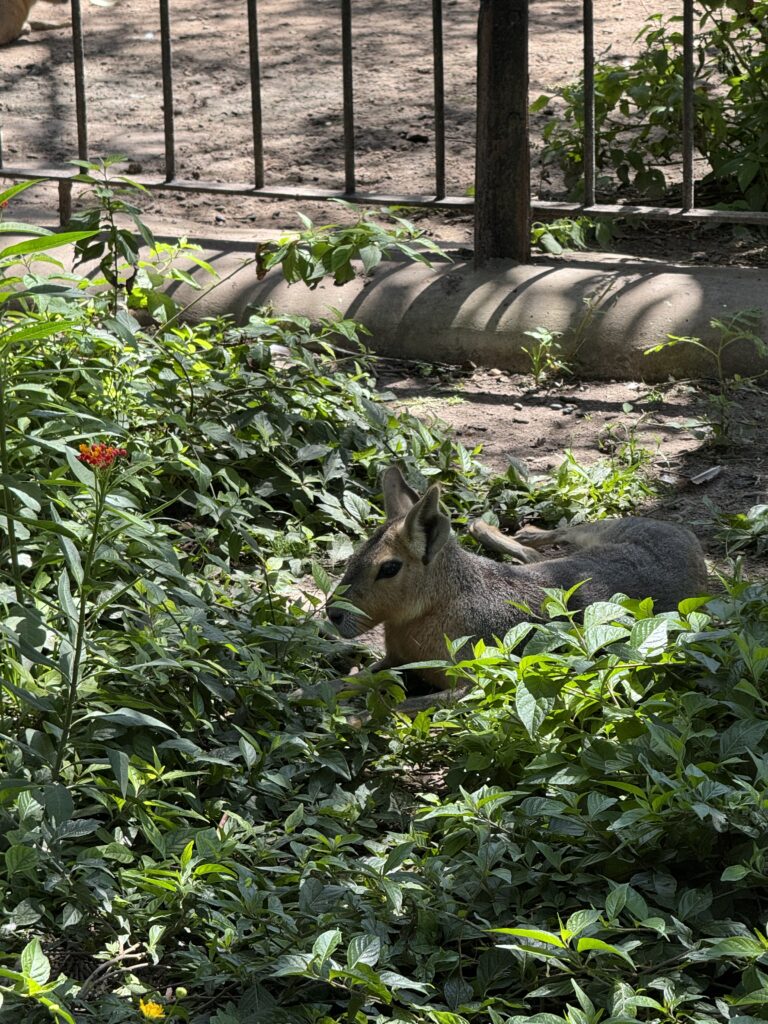
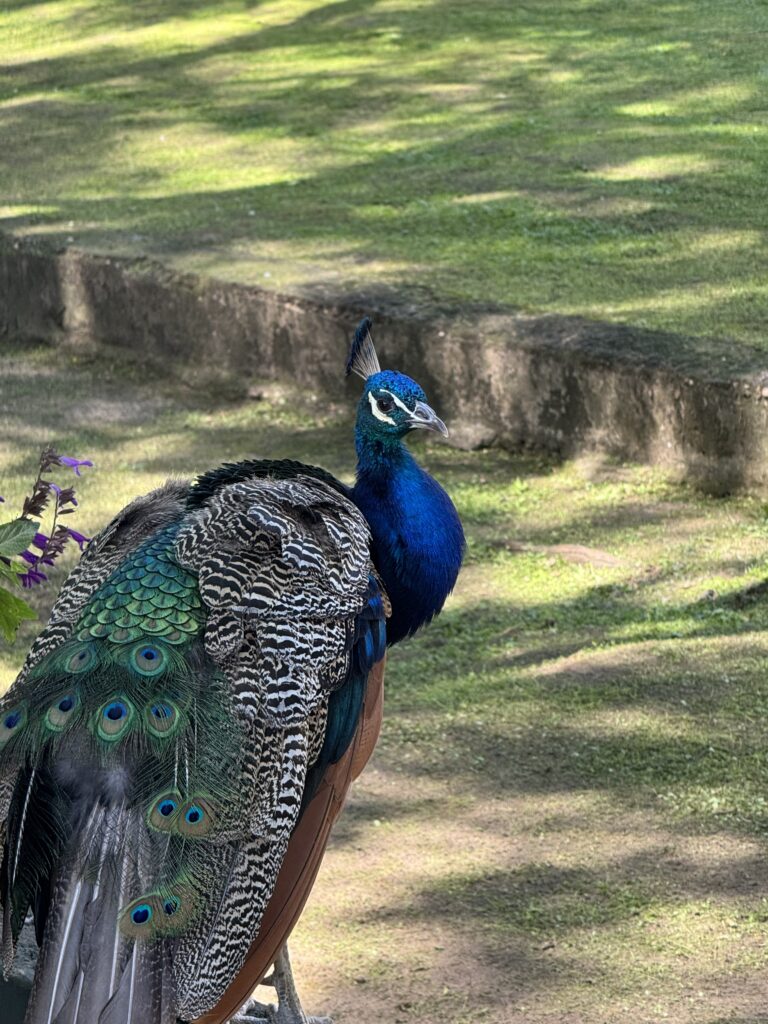
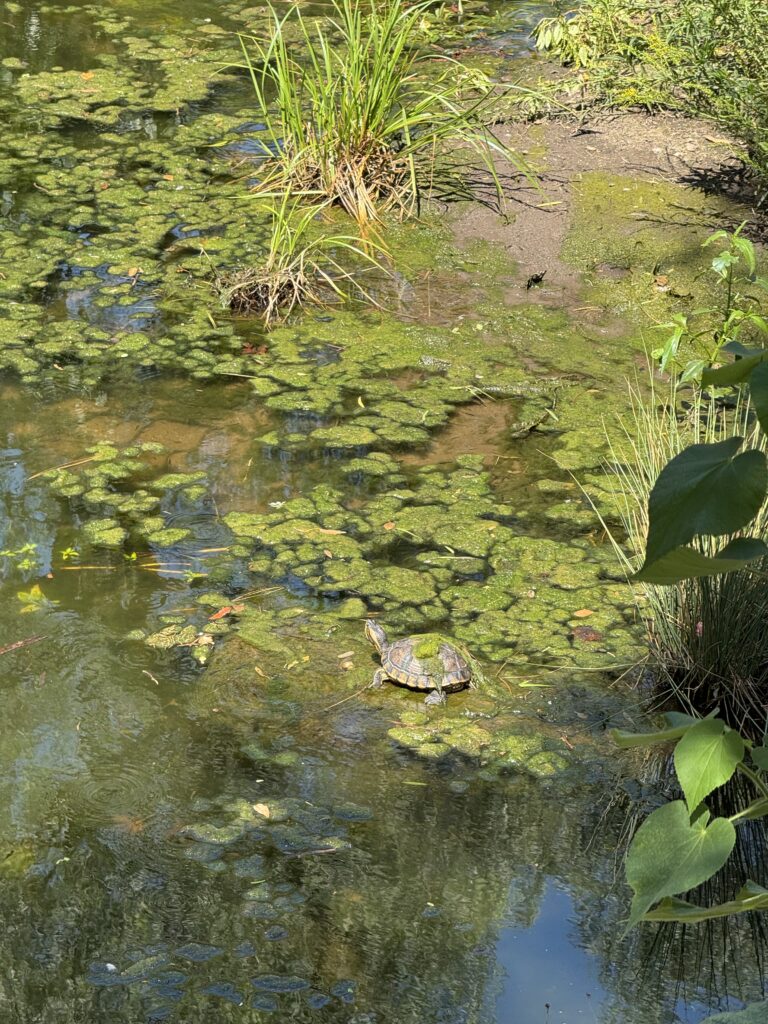
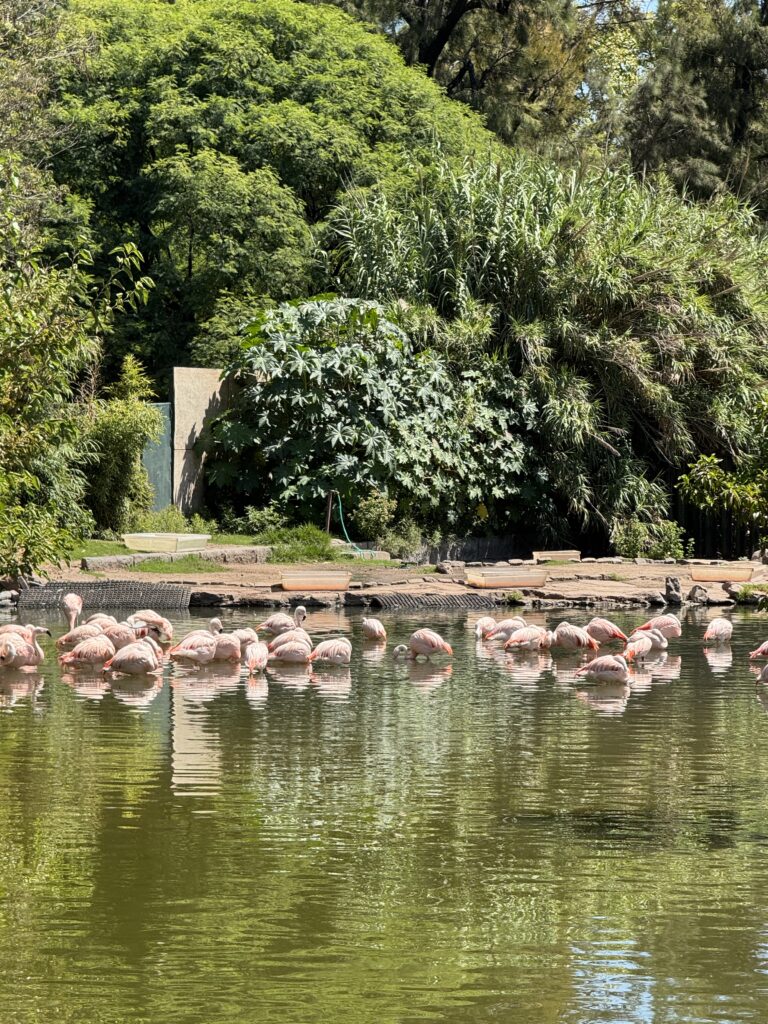
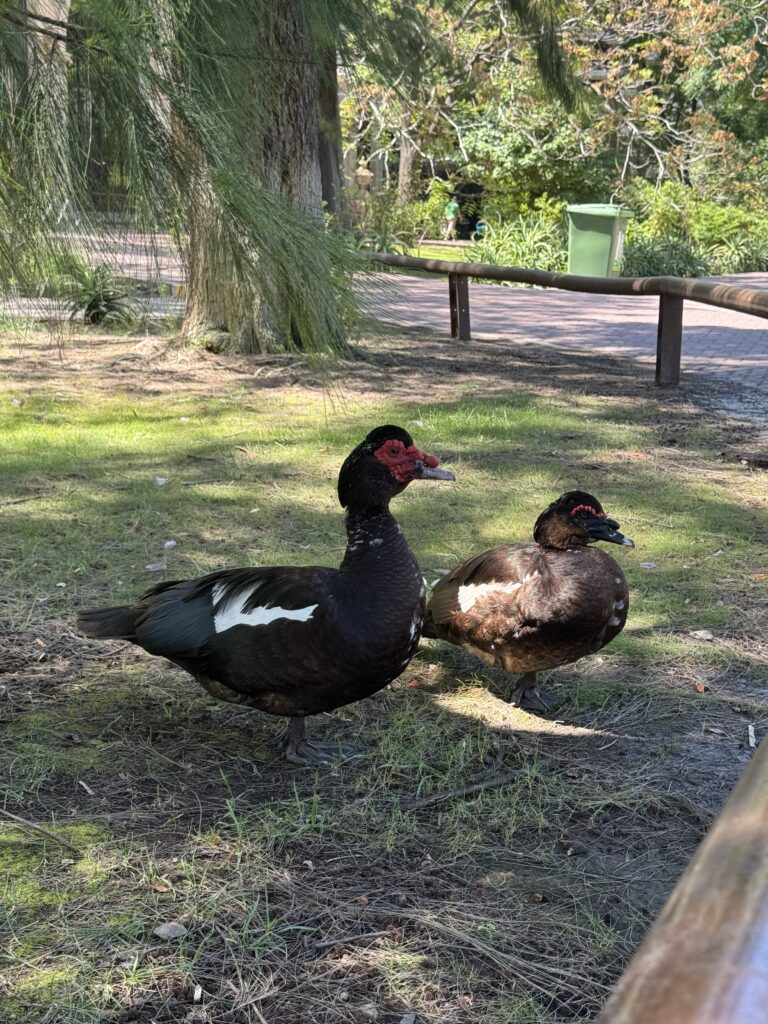
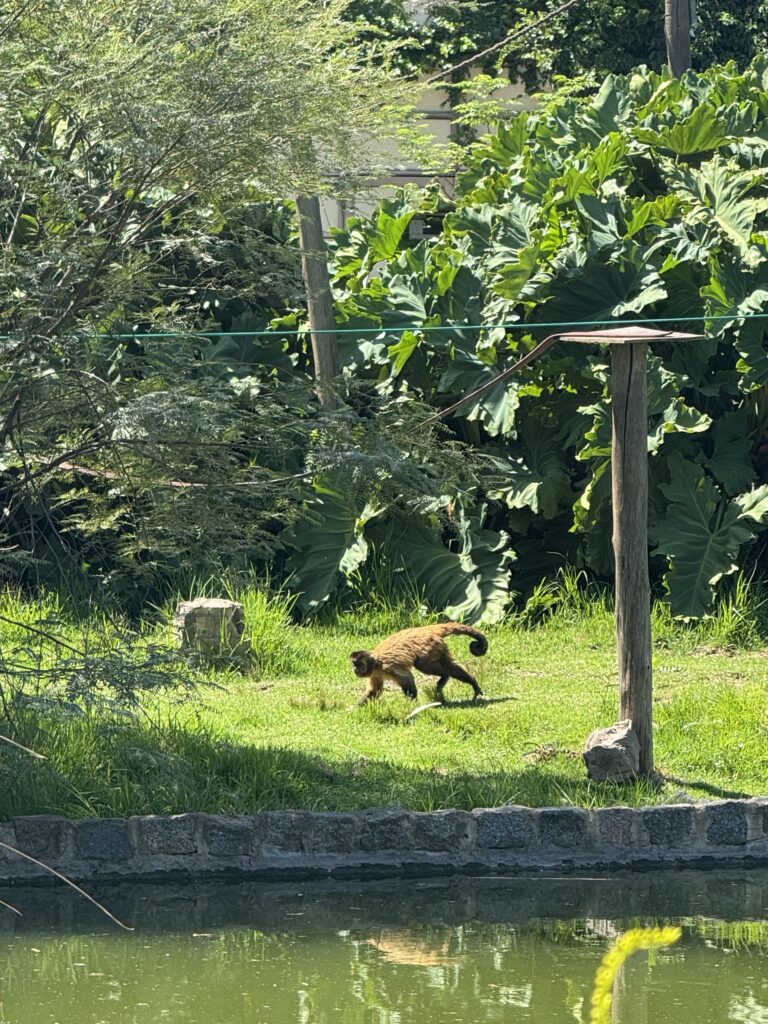
It is beautiful. Large trees provide shade, vegetation surrounds the enclosures, and the animals have space — something many urban facilities struggle to offer. The foundations are there. The architecture, the landscape, the history… all suggest this could be an extraordinary place for conservation and education.
But walking through it, I felt something missing.
The animals have space, yet they seem under-stimulated. What I don’t see is enrichment — the daily effort that allows captive animals to live, not simply exist. Enrichment is not decoration; it is welfare. It is curiosity, choice, movement, problem-solving — the difference between survival and wellbeing.
“enrichment — the daily effort that allows captive animals to live, not simply exist”
And equally absent is guidance for the people visiting.
Children and families walk past extraordinary species without understanding who they are, where they come from, or why they matter. There are few educational voices transforming observation into learning. Without education, the message becomes confusing: animals simply displayed rather than animals serving as ambassadors for their wild counterparts.
Many of these animals cannot be released. Their role, therefore, should be meaningful — helping humans develop empathy, curiosity, and respect for other living beings.
Because compassion is learned.
If visitors leave without understanding animals as individuals — with personalities, needs, and emotional lives — then the opportunity is lost. The risk is that people walk away seeing captivity instead of connection.
Ironically, society often debates whether animals should exist in places like this, while rarely questioning its own relationship with animals elsewhere — in daily habits, traditions, or consumption. Perhaps the real issue is not the presence of animals, but the absence of education about them.
This park does not lack space.
It does not lack beauty.
It lacks intention.
With trained guides, enrichment programs, and investment in education, this could become exactly what its new name promises: not a zoo renamed, but a true ecological and educational space — one that inspires empathy instead of indifference.
Because when people truly learn to see animals, they begin to care.
And caring is where conservation begins.