Avian Behavior International & Wild Wonders
Over the past three days I had the opportunity to participate in an intensive hands-on workshop focused on the application of behavior analysis with animals. The program was led by behavior specialists including Hilary Hankey and Barbara Heidenreich, and took place at Avian Behavior International and Wild Wonders.
The experience provided direct practice applying behavioral science principles across a wide variety of species.
Training Across Species
Throughout the workshop, we worked with numerous animals including:
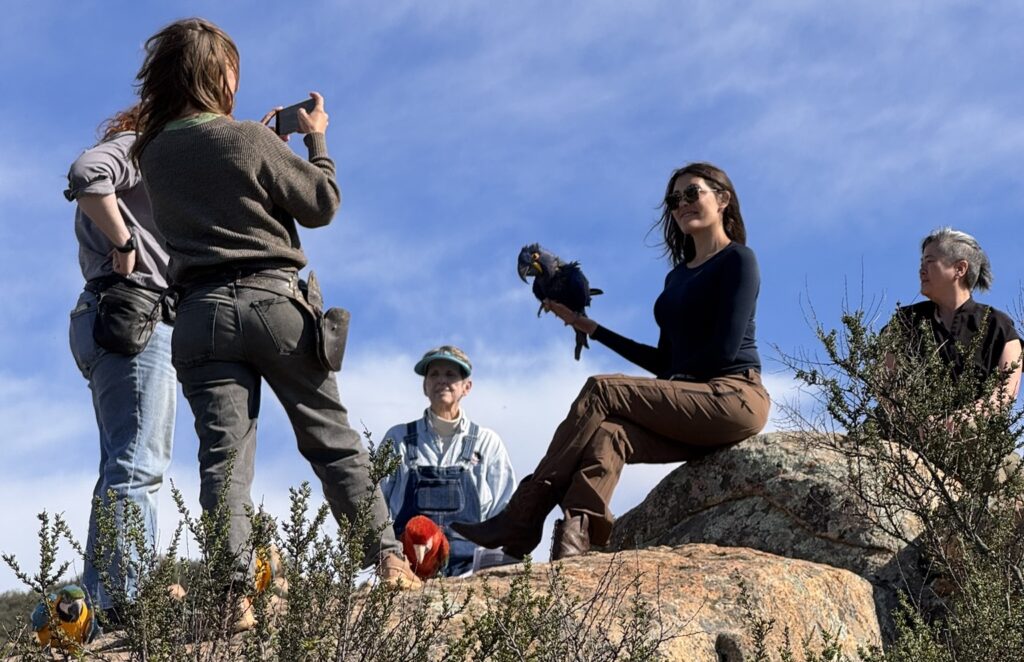
- parrots and cockatoos
- owls
- donkeys
- South American mammals including paca
- an elderly screaming hairy armadillo
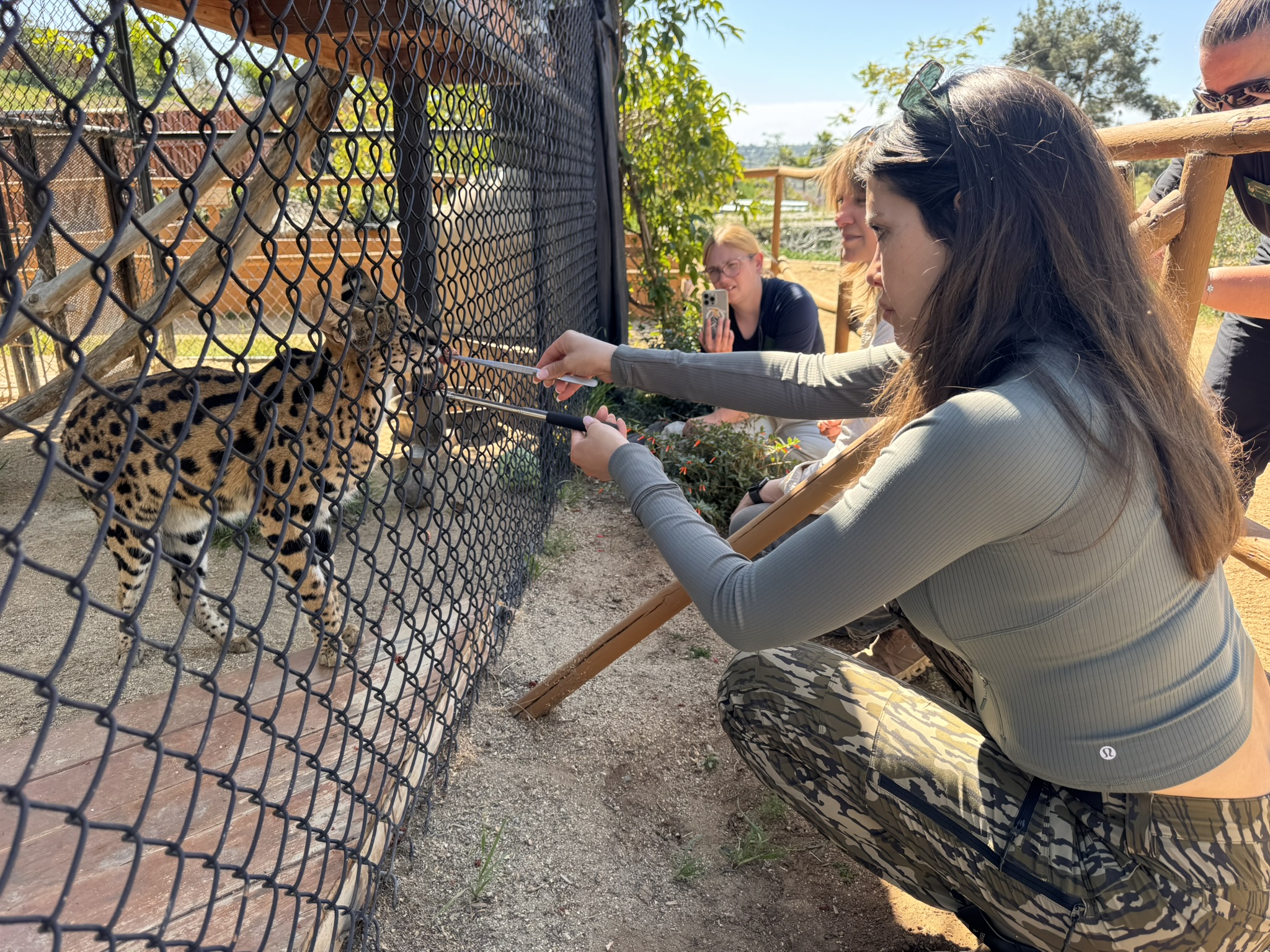
- a serval cat
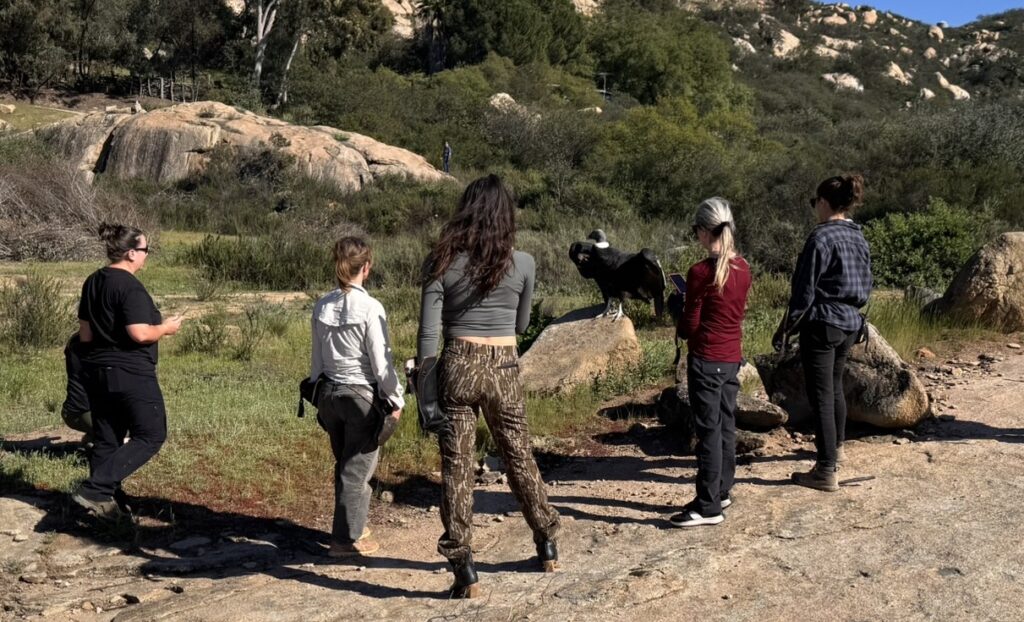
- and the magnificent Andean condor
The goal of the workshop was not simply to train behaviors, but to analyze behavior through the lens of applied behavior analysis and develop ethical, creative solutions that respect the animal’s needs and motivations.
Choice and Agency in Training
One concept emphasized during the workshop was providing genuine choice to animals during training sessions.
Instead of placing animals in situations where they must perform a task to obtain reinforcement, trainers can provide:
• an optional learning task
• alternative easy behaviors
• continuous access to reinforcement
This allows the animal to choose participation, reducing frustration and increasing engagement.
Choice-based training reflects a broader shift toward collaborative animal training, where the animal is an active participant rather than a passive subject.
Understanding Natural Behavior
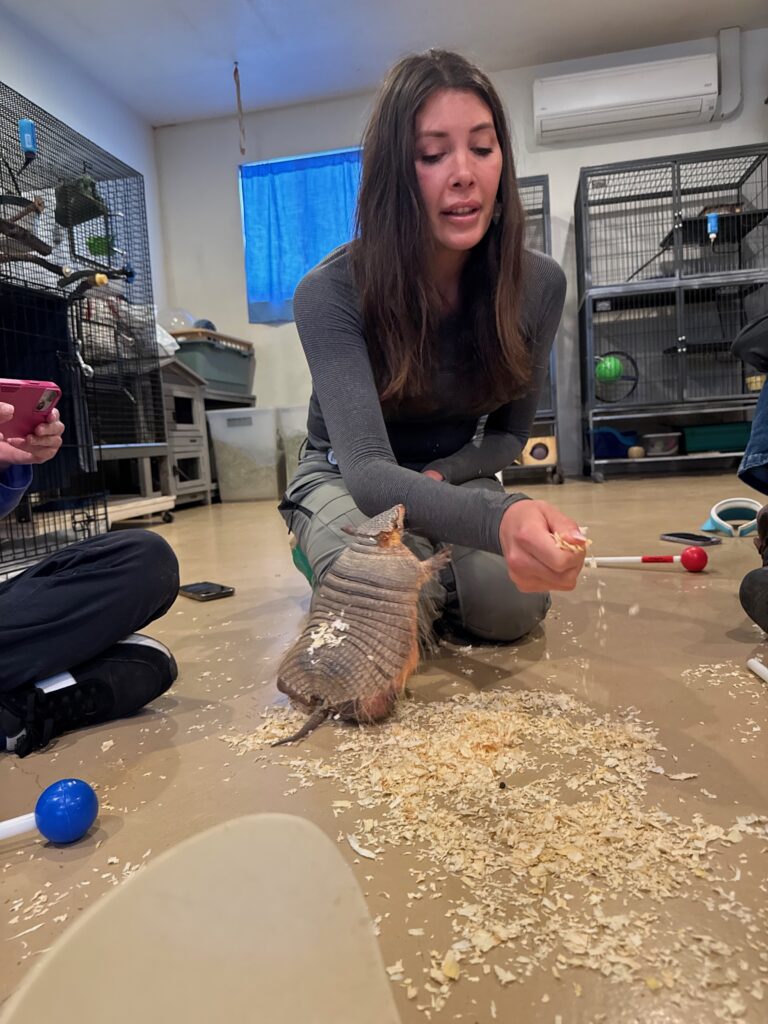
One of the most memorable sessions occurred while working with an 18-year-old screaming hairy armadillo named Holly Jolly.
Initial attempts focused on traditional targeting techniques. However, the animal repeatedly avoided interaction and attempted to move away.
Observing the situation, I recognized behavior patterns similar to those I see in my own hedgehog. Both species are nocturnal, ground-foraging mammals that interact heavily with substrate.
Instead of food-based reinforcement, I introduced wood shavings to the environment.
The armadillo immediately began:
• digging
• rolling in the substrate
• standing on hind legs
• approaching and interacting voluntarily
The enrichment itself became the reinforcer.
This moment highlighted an important principle:
Sometimes the most effective reinforcement is not food, but access to species-appropriate behavior.
Evoking vs. Shaping Behavior
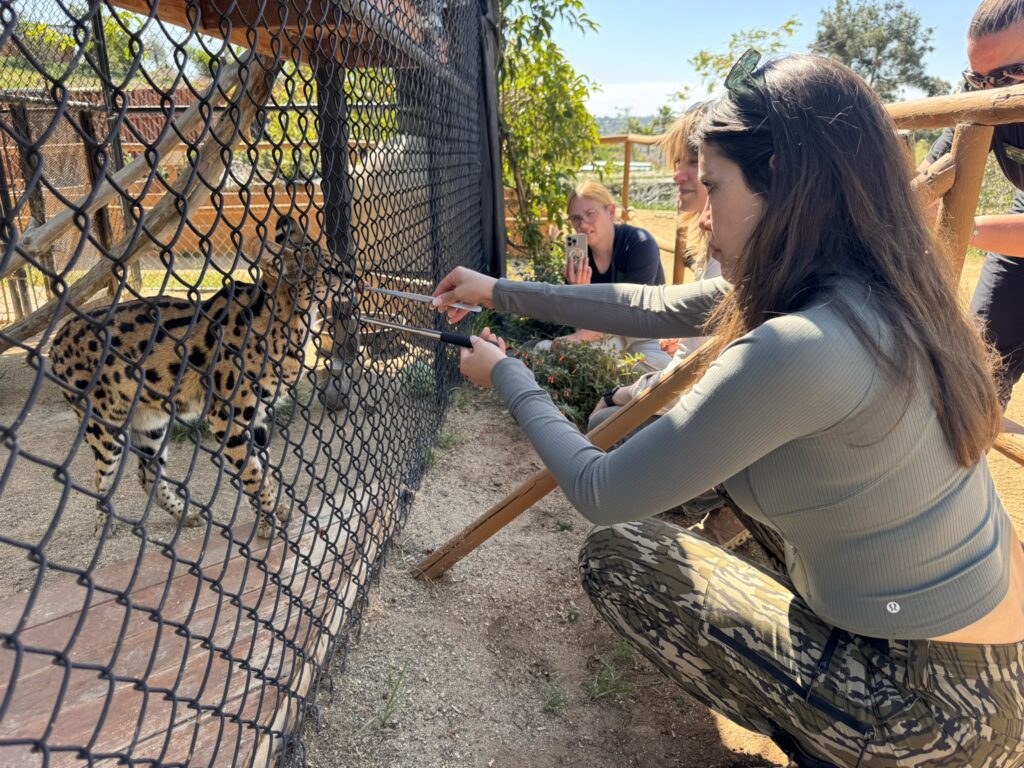
Another valuable training exercise involved teaching a small wild cat to open its mouth for future veterinary procedures.
Rather than shaping the behavior slowly through approximation, we experimented with evoking the natural behavior by placing food inside a fork-like scratcher tool.
To retrieve the food, the cat naturally opened its mouth widely. Once the behavior appeared, trainers could capture and reinforce it, accelerating the learning process.
As Barbara Heidenreich pointed out during the session:
Sometimes trainers attempt to shape a behavior that can simply be evoked and captured.
Understanding when to evoke versus shape can significantly improve training efficiency.
Working with Distance as Reinforcement
Another major takeaway from the workshop involved the strategic use of distance as reinforcement.
If an animal signals discomfort or requests space, the trainer can:
• step away
• reduce pressure
• increase distance
When used intentionally, this becomes a form of negative reinforcement that strengthens desired behaviors while respecting the animal’s boundaries.
This principle is particularly valuable with cautious animals such as alpacas, pigs, or parrots that require gradual trust-building.
Falconry and Flight Behavior
The workshop also included flight demonstrations with trained raptors.
Watching falcon flight at high speed and observing recall training with an Andean condor offered a powerful reminder of the athleticism and intelligence of these birds.
The condor’s recall flights across the mountain landscape demonstrated the combination of:
• relationship-based training
• environmental awareness
• precise reinforcement timing
Seeing such a large bird voluntarily return to the trainer illustrates the extraordinary results possible through ethical training methods.
Conclusion
This workshop reinforced a fundamental lesson in animal training:
Effective training begins with observation.
Before asking animals to learn from us, we must first understand:
• their natural behaviors
• their motivations
• their comfort thresholds
• their preferred reinforcers
When training respects these elements, learning becomes not only possible—but collaborative.